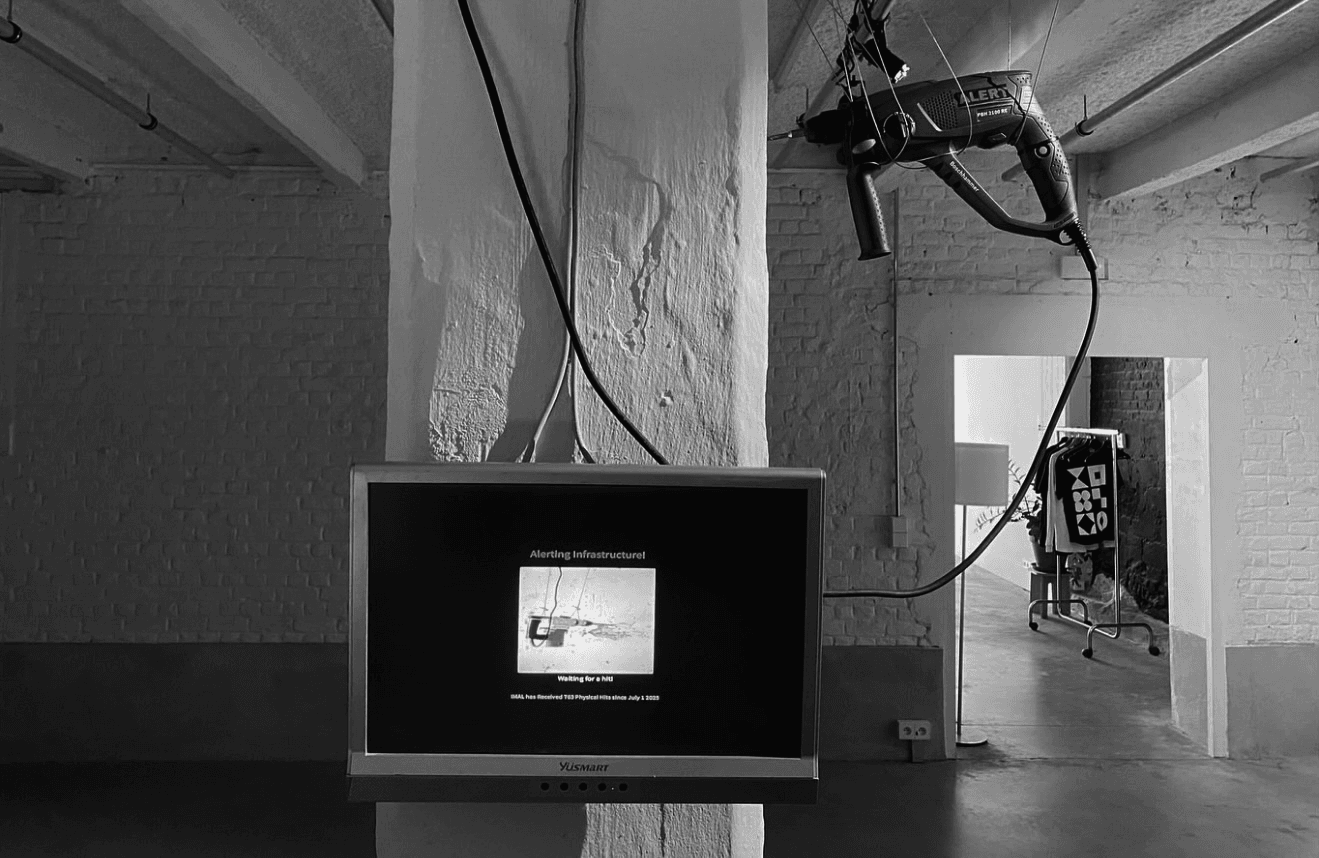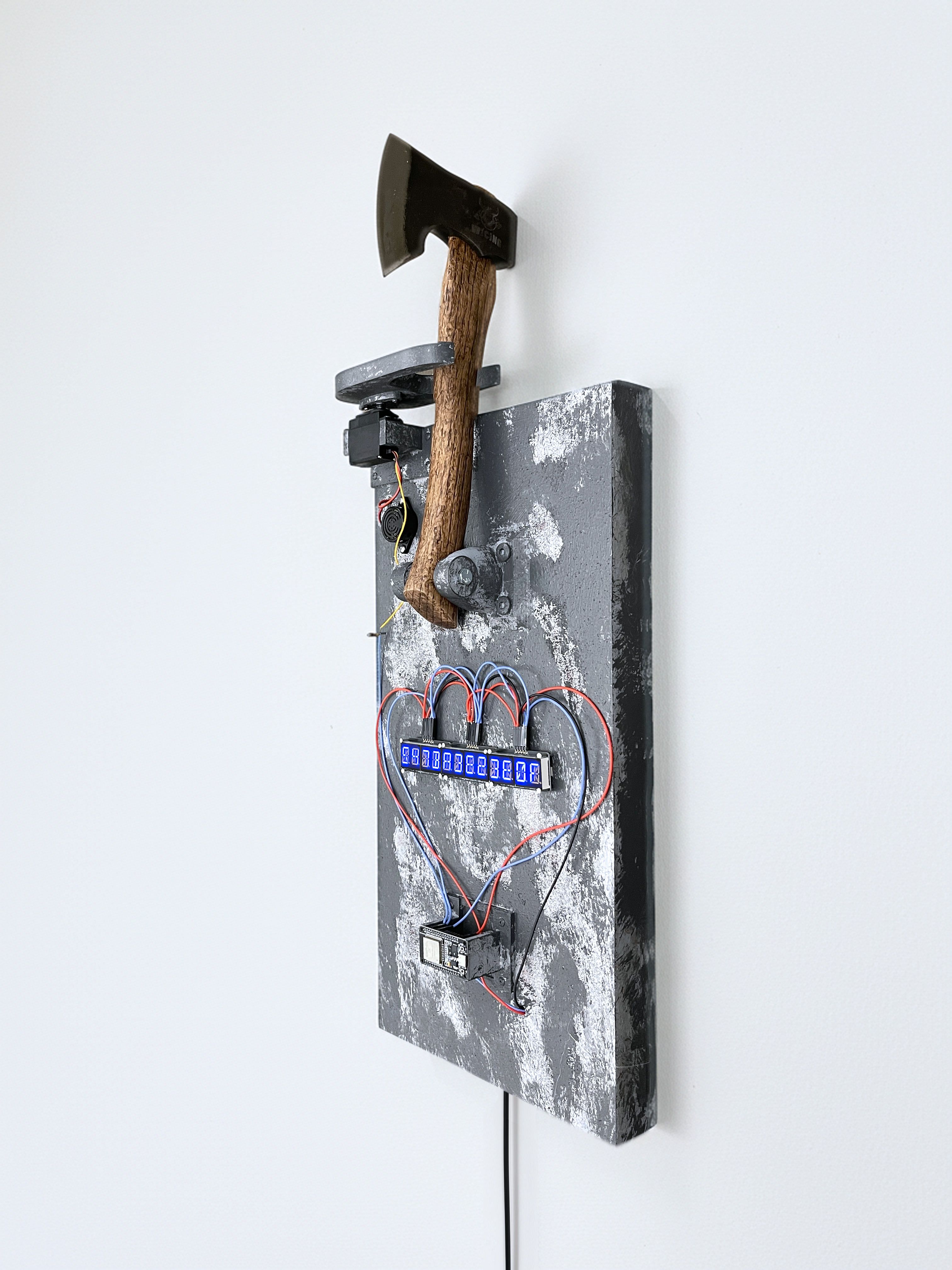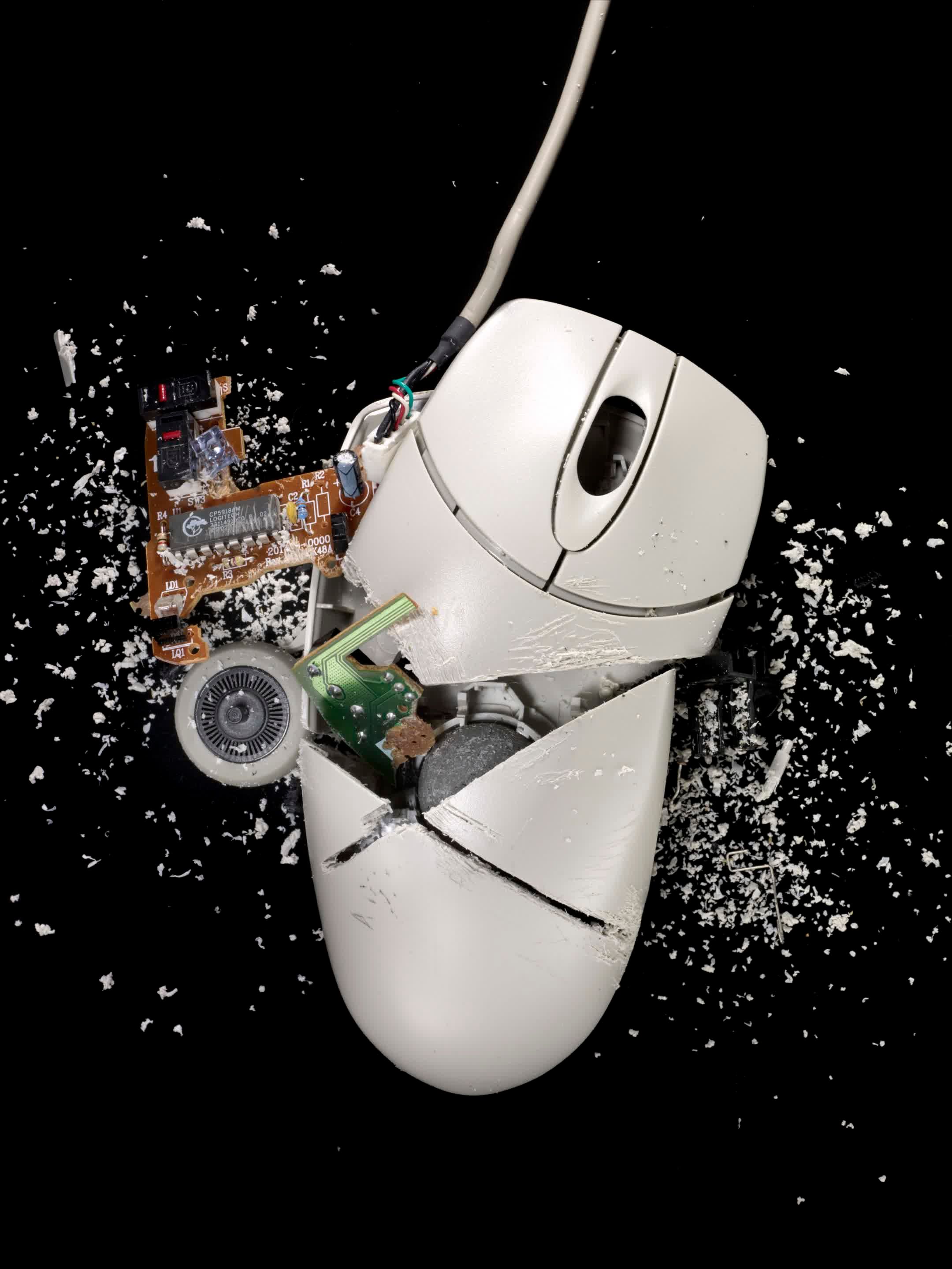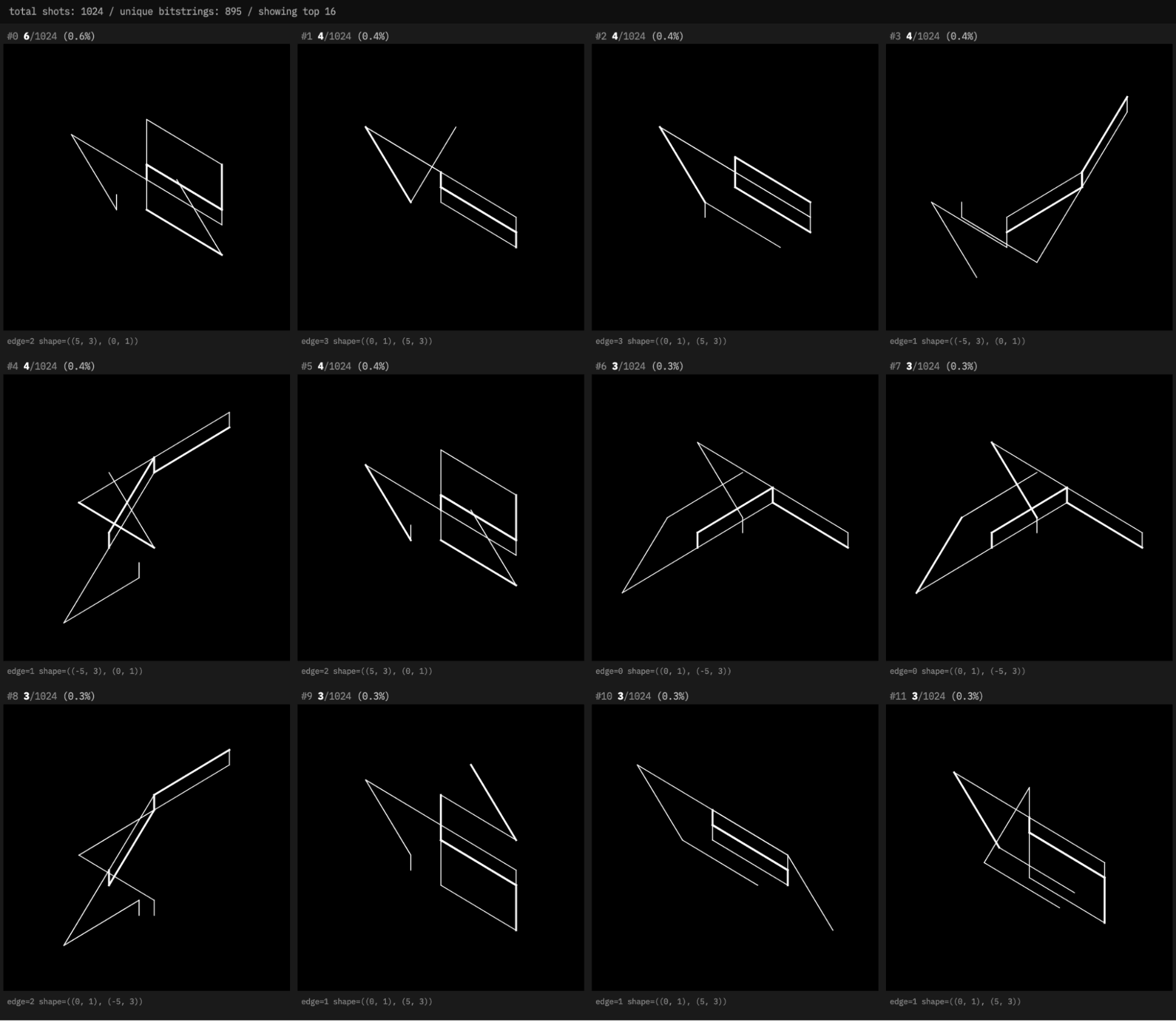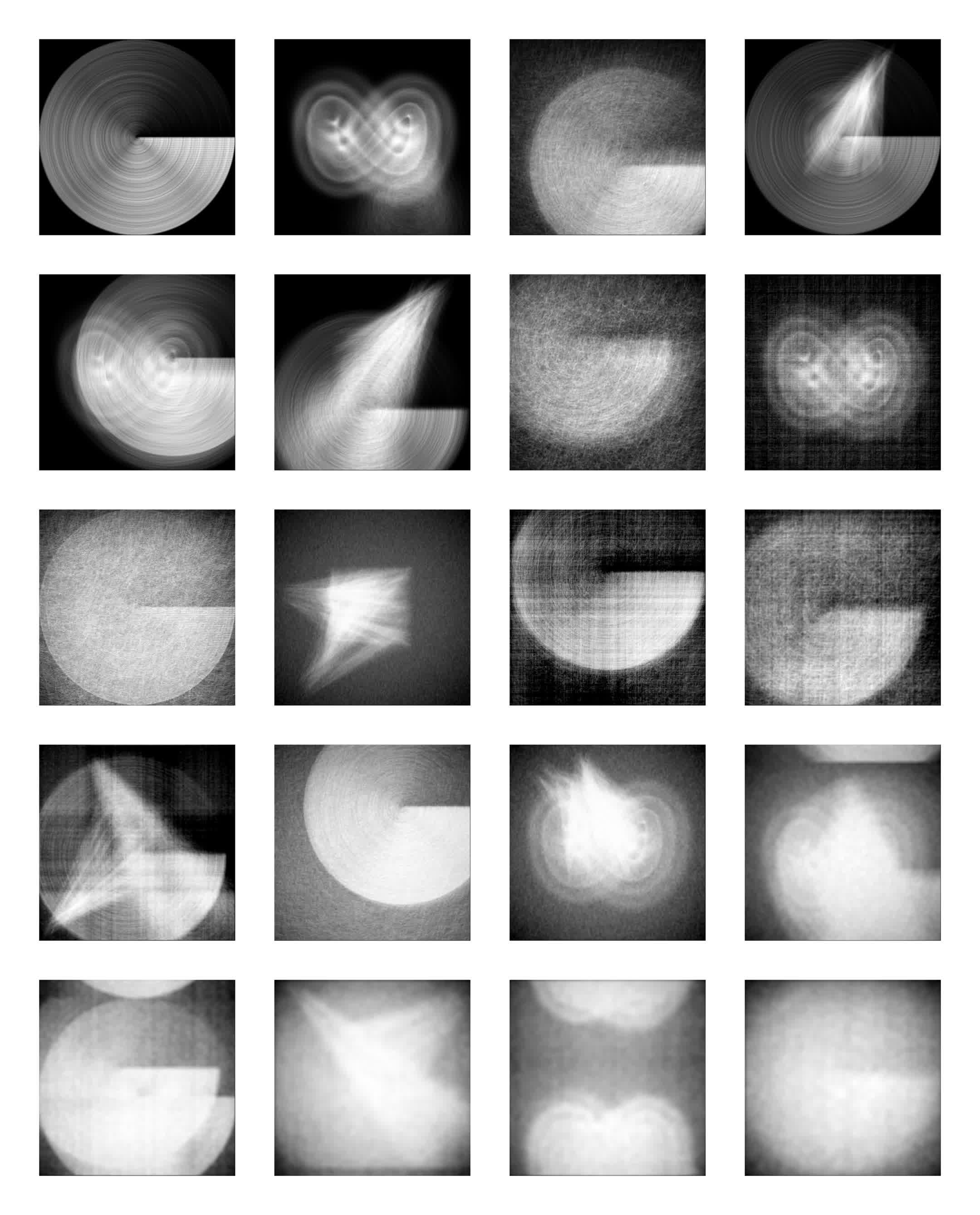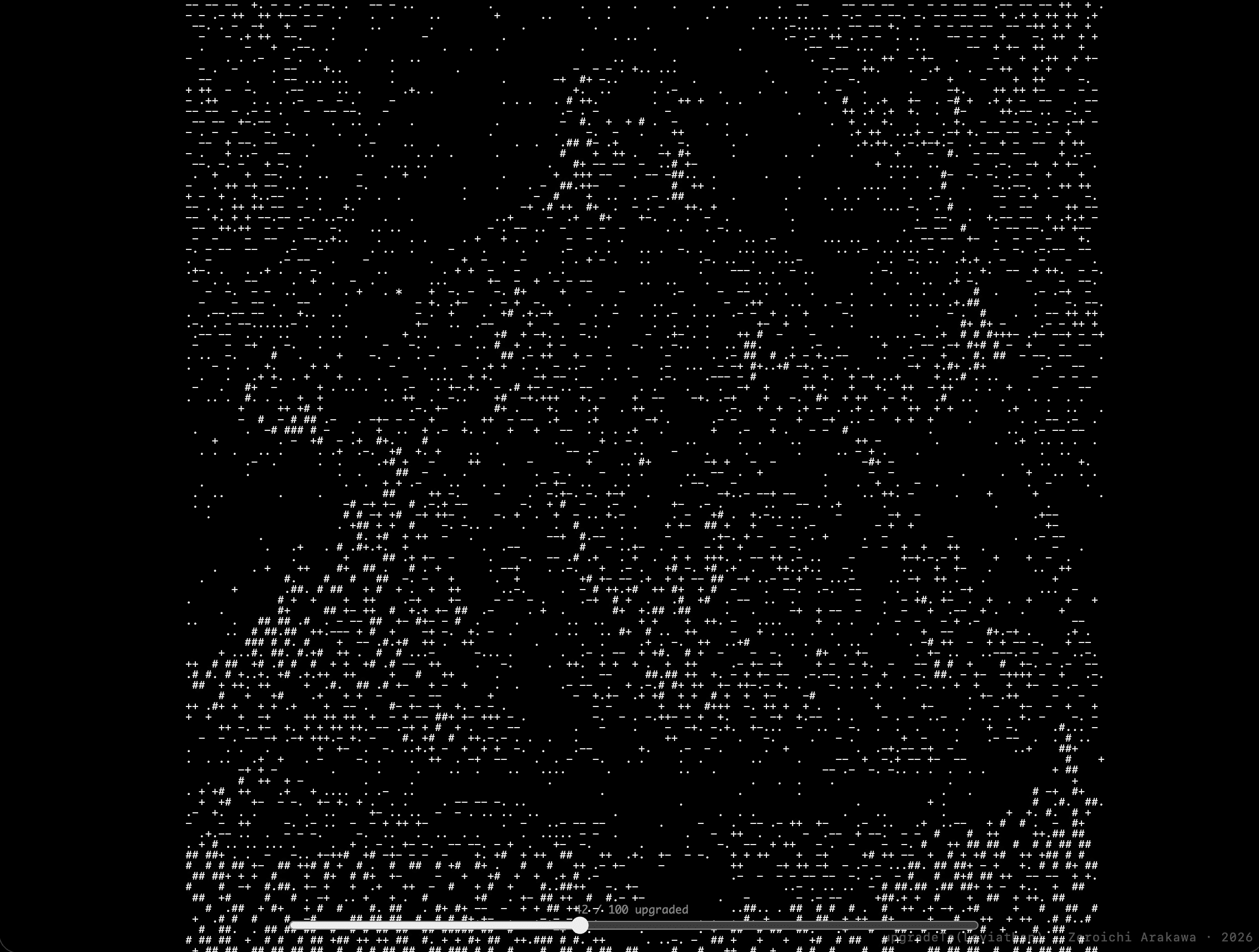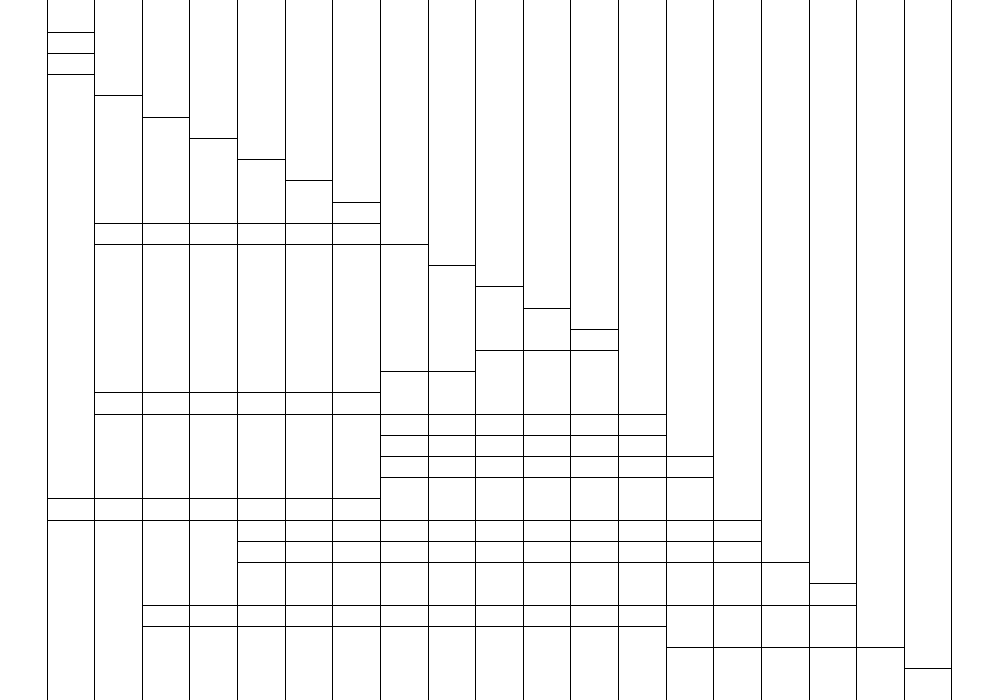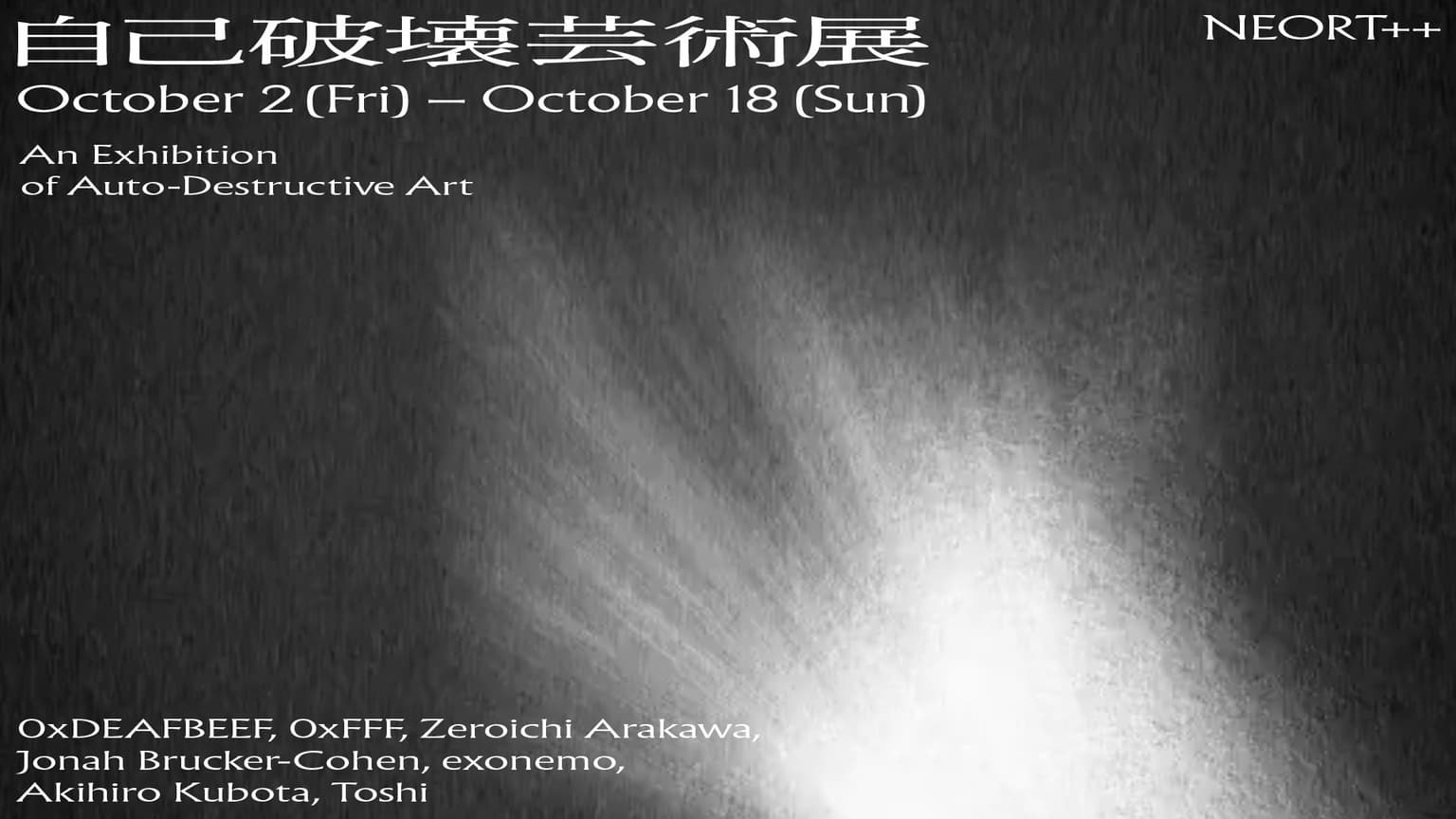
NEORT++ is pleased to announce the group exhibition, "An Exhibition of Auto-Destructive Art."
Statement
Creation has often been described as a process of bringing forth the new, giving form, and adding to what exists. Destruction, by contrast, is cast as the opposite of production: a reduction in value, a loss. In this view, creation is a positive force and destruction a negative one. Yet in living organisms and ecosystems, death and destruction are integral to the functioning of the whole. In art, too, destruction has served to dismantle established forms and values, opening the way to new modes of expression. From this perspective, creation and destruction are not simple opposites, but parts of a single process unfolding through time, each entwined with the other.
An Exhibition of Auto-Destructive Art reconsiders destruction as a process equal to creation, rather than a negative ending. At the moment a work collapses of its own accord, its material appears not as something to be preserved, but as an event in continual change. Rather than moving toward completion, the work changes irreversibly, continually passing into different states. In this sense, the exhibition also presents each work not as a static, finished object, but as a “site” that holds time and change within it.
The exhibition takes as its point of departure “Auto-Destructive Art,” a concept proposed by Gustav Metzger in 1959. Having escaped Nazi persecution and gone to Britain, Metzger confronted the destructive forces of nuclear weapons, mass production, capitalism, and technological development in postwar society. He conceived an art in which the work itself would disappear over time. Destruction was not something that befell the work by chance from outside. Changes such as corrosion, disintegration, and disappearance were built into the work’s structure from the outset, and their unfolding constituted the work. For Metzger, self-destruction was also a way to expose society’s “self-destructive tendencies” by setting them in motion within art.
This exhibition seeks to reconsider Auto-Destructive Art in today’s decentralized computing environments. On a blockchain, a work need not exist solely as a fixed object: it can run as code, be recorded through transactions, and persist while changing state. An action, once executed, may be impossible to reverse. Conditions can change over time, and a program can even contain the conditions for its own disappearance or transformation. The structure Metzger introduced into material works—a work that changes of its own accord and is ultimately lost—can thus be implemented as a property of computation itself.
The exhibition treats these features of decentralized computing environments not merely as a technical backdrop, but as an opportunity to reconsider the form of art itself: structures that do not depend on the permanence of materials; the irreversible accumulation of time; works that exist as ongoing processes; and conditions for change or disappearance built into the works themselves. Taking Metzger’s conception of Auto-Destructive Art from more than half a century ago as its starting point, the exhibition explores, through the practices of its participating artists, how creation and destruction might come together in computational environments to give rise to new forms of art.